
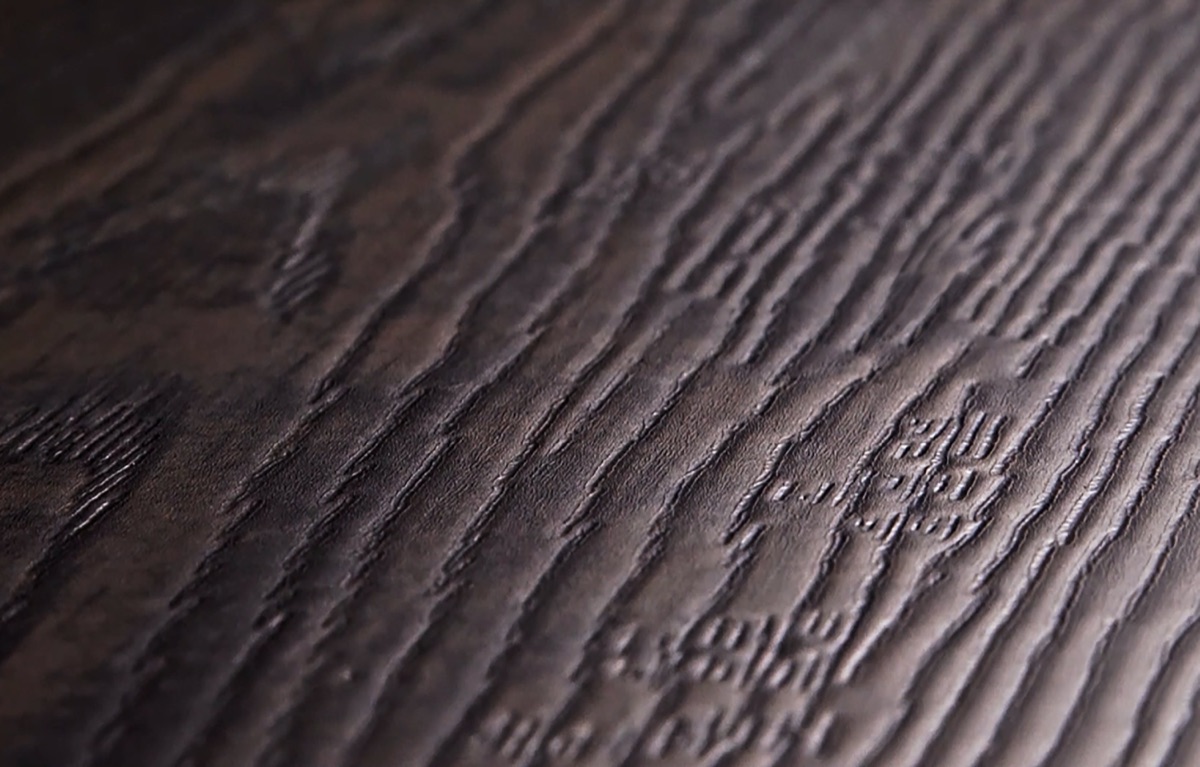
How Synchronized Embossing Supports Product Design
Synchronized embossing supports flooring product design by making the tactile surface correspond to the printed visual underneath it. When a wood image shows a grain ridge, pore, knot, or cut mark, al
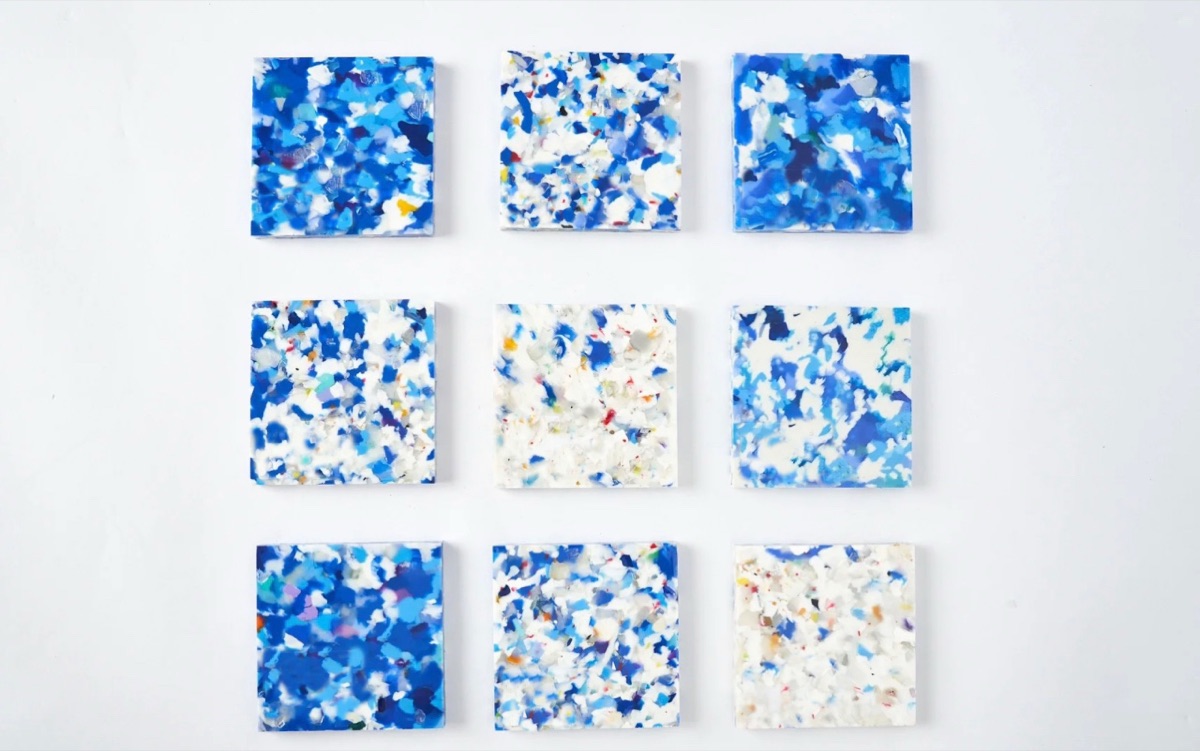
Digital Printing vs. Rotogravure for Flooring
Digital printing and rotogravure can both produce decorative flooring visuals, but they organize artwork, repeat planning, sampling, and production in different ways. For a private-label team, the use
How Digital Printing and Texture Control Shape a Flooring Program
A flooring program is easier to scale when design, texture and production control are aligned from the first brief. Benchwick develops rigid-core vinyl and hybrid-wood programs for dealer, distributor
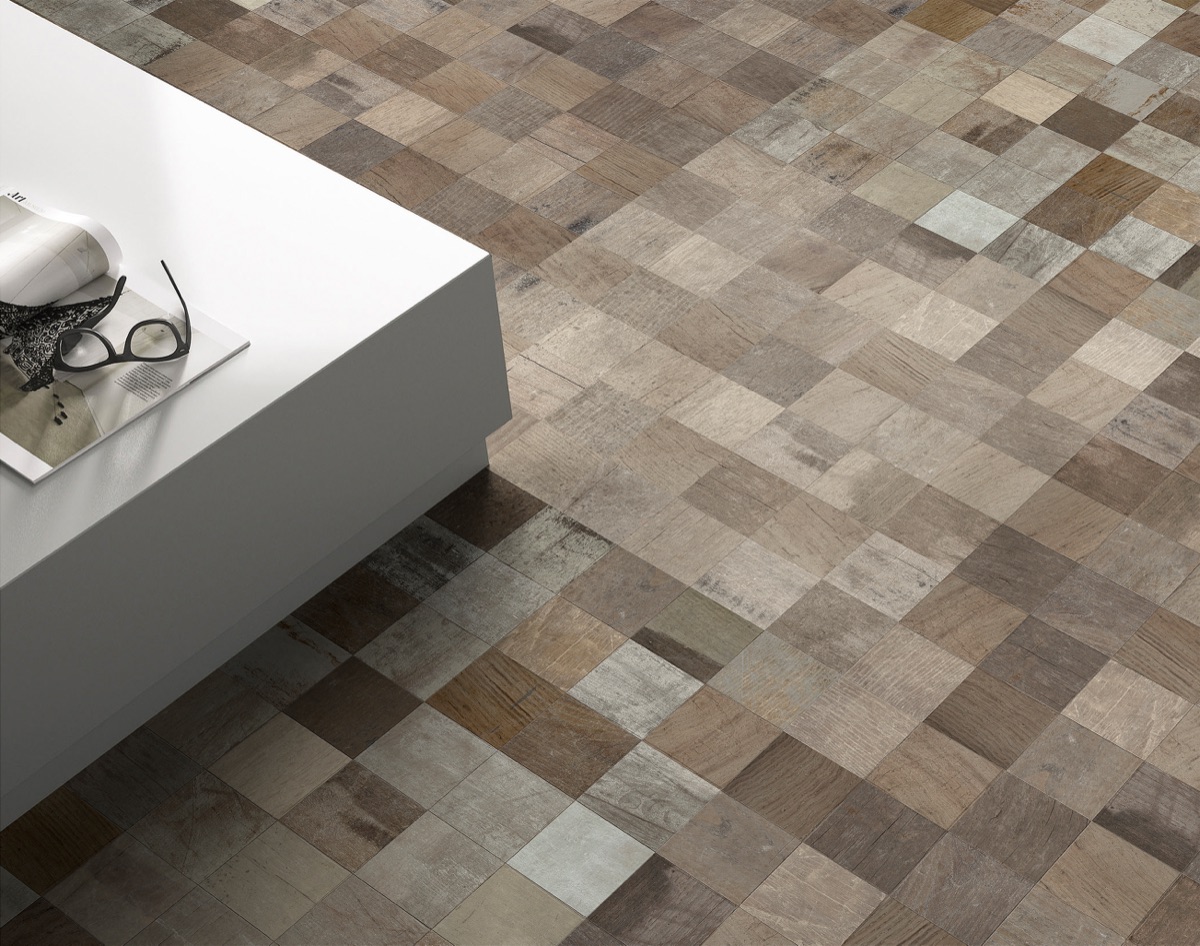
How to Choose a Wholesale Vinyl Flooring Supplier in the US: 2026 Dealer’s Guide
A practical checklist for flooring dealers and distributors evaluating wholesale SPC and LVP suppliers — domestic stock, MOQs, lead times, claims handling, and the questions to ask before you commit a container.
SPC Flooring Private Label & OEM Manufacturing: What US Buyers Should Know in 2026
OEM vs private label vs white label, the production timeline from spec to container, and how digital printing collapsed the minimums — a guide for retailers, distributors, and brands sourcing SPC flooring.
DSE Synchronized Embossing: The Patent That Changed Realistic Flooring
A deep dive into Benchwick’s patented DSE embossing technology — why aligning positive and negative printing at micron precision is harder than it sounds, and why it matters to every plank you install.
From Ocean Waste to Luxury Floor: The Blue Eleven Story
Blue Eleven is more than a 3D printing platform. Its core is built from 80% recycled ocean-bound plastic — the first rigid core flooring to turn pollution into a premium product at industrial scale.
The Science of Infinite Glass: How UV Coatings Protect a 3D Printed Floor
Infinite Glass is the crystal-clear topcoat that preserves every detail of a Blue Eleven print. Here is what makes it different from a generic wear layer — and why you can see the difference with the naked eye.
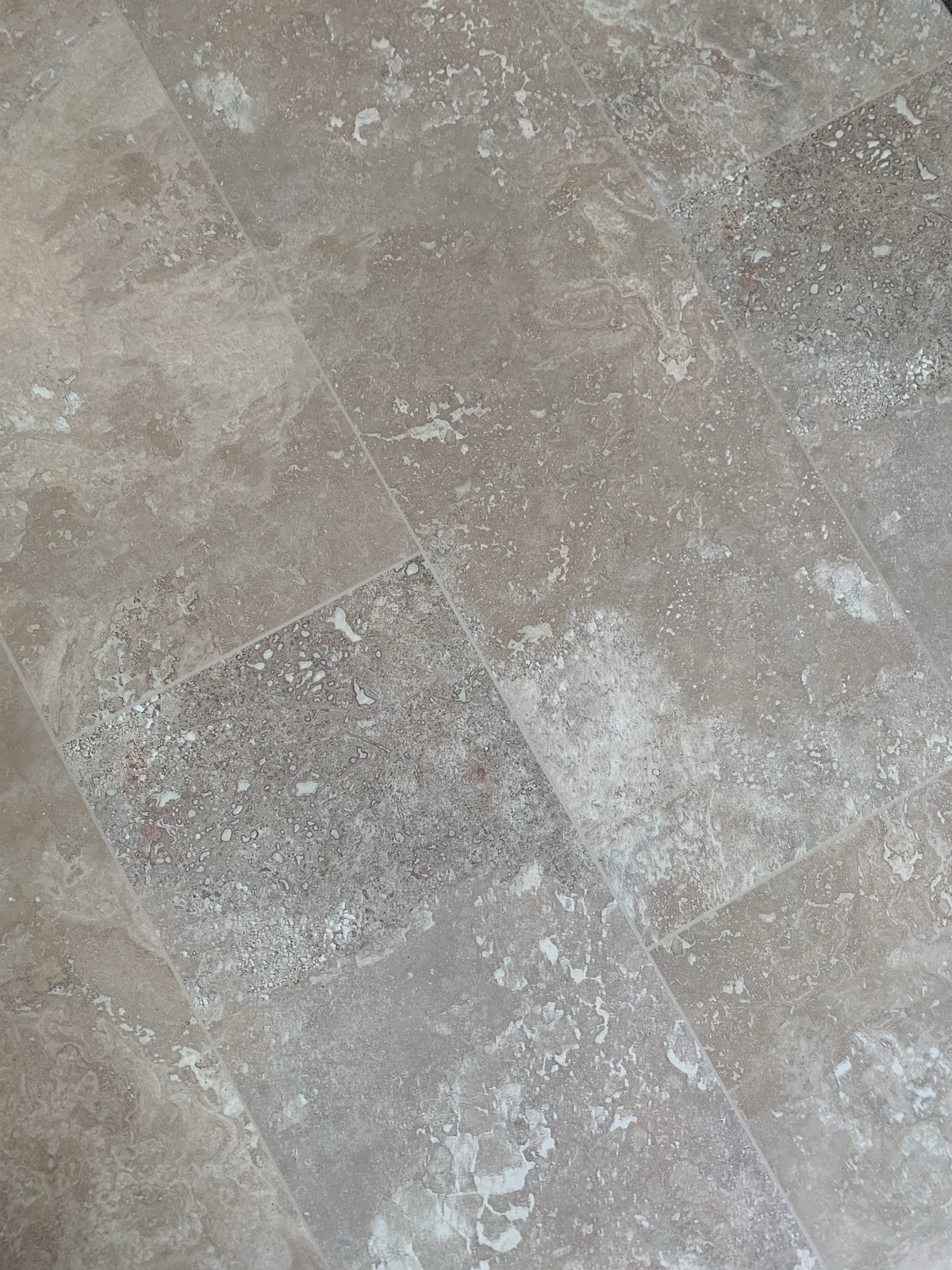
Inside Benchwick Collections: A Design Philosophy, Not a Catalog
Every Benchwick collection is built around one question: what story should this surface tell? Here is how our product lines are conceived — and why they are never interchangeable with the competition.
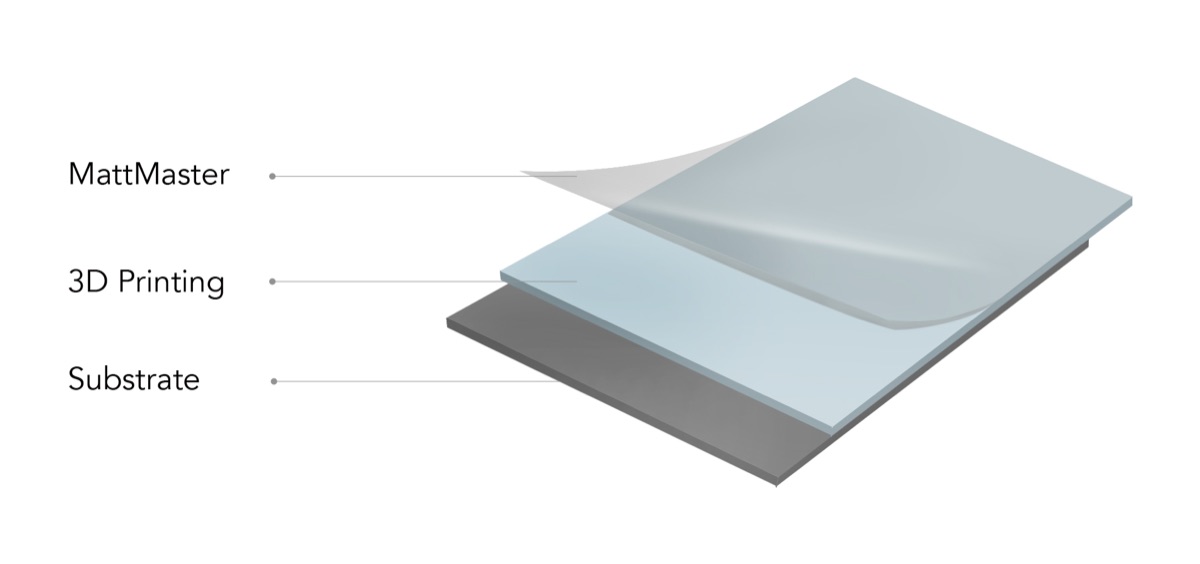
MattMaster Explained: Electron Beam Coating for Zero-VOC, Low-Carbon Flooring
MattMaster is our electron-beam-cured surface technology — formaldehyde-free, benzene-free, and produced with 40% less CO₂ than conventional UV coatings. Here is how it works and why it matters.