
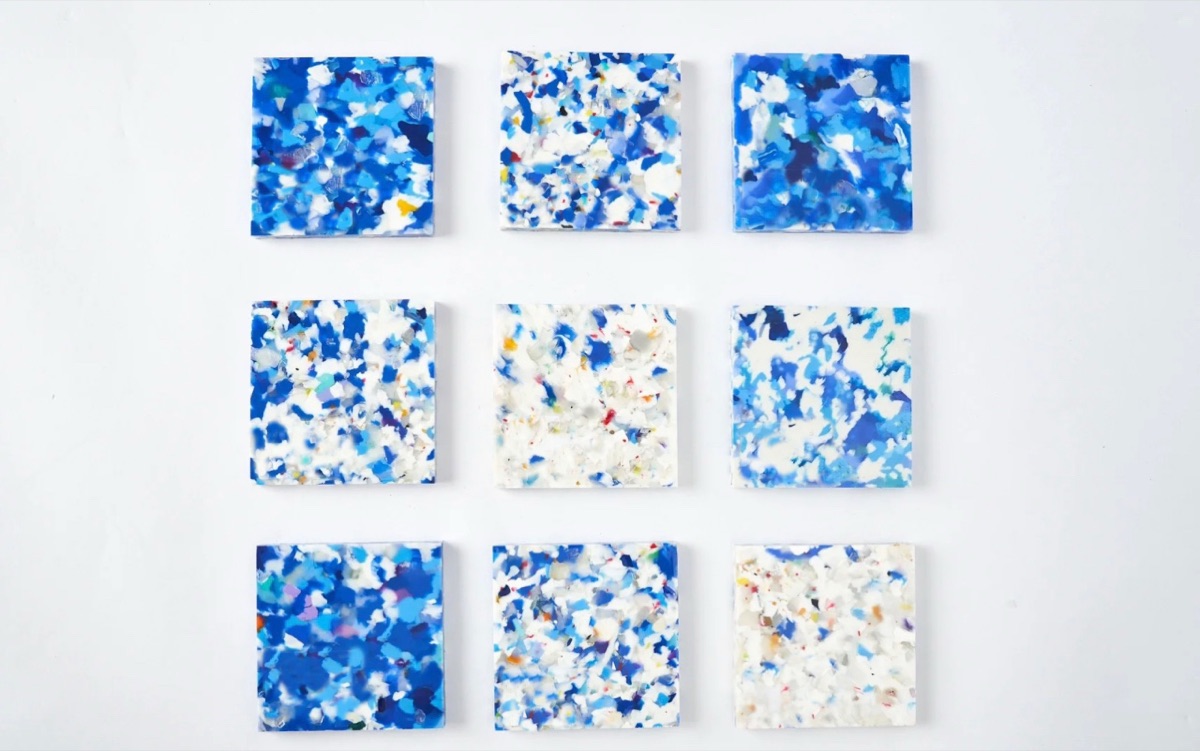
Digital printing and rotogravure can both produce decorative flooring visuals, but they organize artwork, repeat planning, sampling, and production in different ways. For a private-label team, the useful question is not which process sounds newer. It is which process fits the specific visual target, material system, volume plan, approval workflow, and manufacturing controls for the program.
This comparison gives product managers, distributors, designers, and sourcing teams a practical framework for early conversations with a manufacturing partner. It avoids universal promises about cost, speed, minimum order, or performance because those outcomes depend on the exact project, equipment, materials, and commercial agreement.
How the two printing routes differ
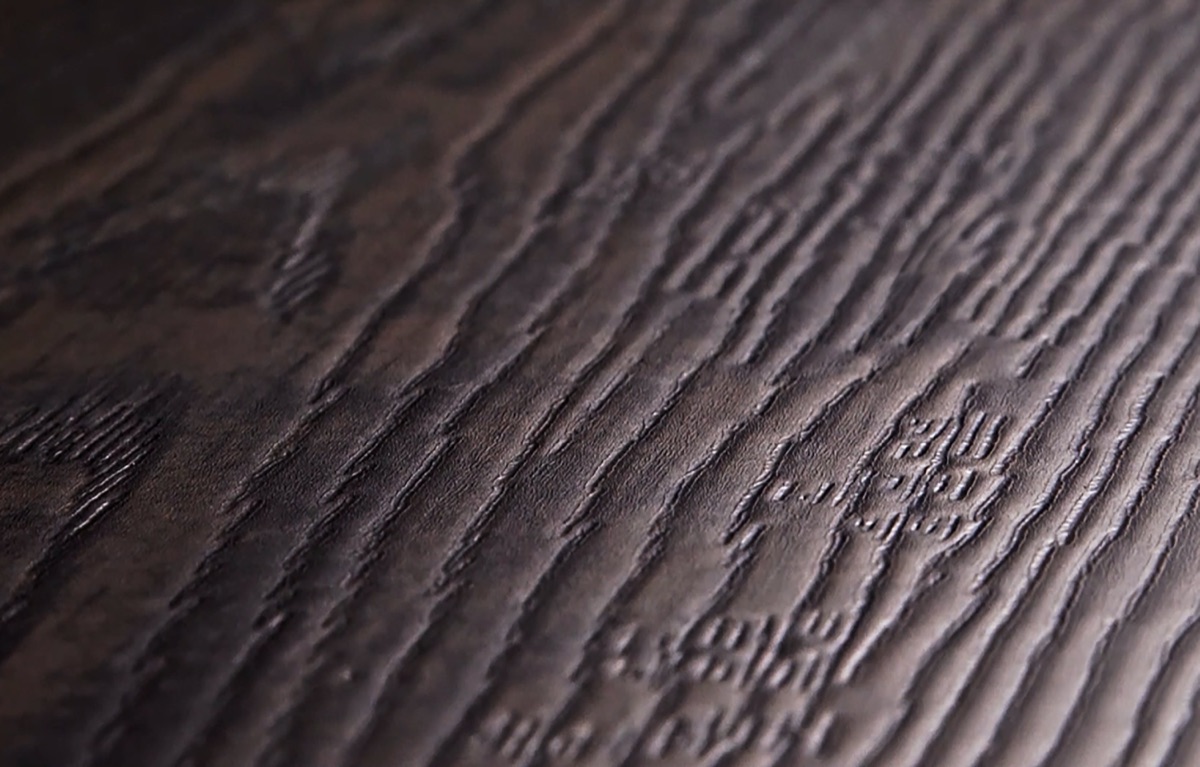
Rotogravure uses engraved cylinders to carry and transfer ink. The cylinder and artwork preparation establish a repeat that can be reproduced consistently across a production program. Changes to a visual may require a revised cylinder or other production preparation, so teams normally define the design, color separations, repeat, and approval path before scale-up.
Digital printing works from digital artwork and does not depend on a dedicated engraved cylinder for every visual. That can make file-based iteration and broader visual libraries easier to explore during development. It does not remove the need for color management, substrate compatibility, surface protection, or production approval. The printed layer still has to work with the complete flooring construction and finishing process.
Neither route should be evaluated from a screen image alone. A monitor cannot reproduce the interaction among ink, film or substrate, gloss, texture, topcoat, edge treatment, plank size, and room lighting. Physical samples remain the practical bridge between artwork approval and production approval.
Compare the development workflow
| Decision area | Digital printing | Rotogravure |
|---|---|---|
| Artwork preparation | File-driven workflow supports direct digital revisions and version control. | Artwork is prepared for engraved cylinders and defined print separations. |
| Repeat planning | Can support a larger visual library when the full system is configured for it. | Repeat behavior is closely tied to cylinder circumference and engraving strategy. |
| Sampling | Useful for testing multiple controlled design directions, subject to production matching. | Sampling should represent the cylinder, ink, substrate, and finishing route intended for production. |
| Change management | Revisions are controlled through digital files, profiles, and approved output references. | Revisions may affect cylinders, separations, setup, and the approved production standard. |
| Quality control | Requires file integrity, color control, nozzle and output monitoring, and finished-product review. | Requires cylinder condition, ink control, registration, repeat consistency, and finished-product review. |
Start with the visual objective
Define what the floor should communicate before selecting a process. A quiet oak, a highly varied stone, a graphic pattern, and a coordinated private-label family create different demands. Record the desired scale, contrast, color range, feature frequency, directional behavior, and acceptable repetition. Also decide whether the collection needs one hero visual or a coordinated library of related visuals.
Review the design at full plank scale and across multiple adjacent planks. A close crop may look convincing while an installed field reveals obvious repetition or abrupt tonal changes. The approval set should represent light, medium, and dark areas, common transitions between visuals, and the relationship between the print and the planned texture.
Evaluate the complete material system
A printing route is only one part of a flooring product. The substrate, printed layer, protective system, texture, gloss, edge, format, and installation context all affect the final appearance. Ask the manufacturing team which combinations have been technically reviewed for the project and which questions remain open. Do not transfer a claim from one construction to another without documentation.
Color should be evaluated under controlled conditions and in realistic room light. Establish an approved physical reference, measurement method where appropriate, acceptable variation, and a process for handling exceptions. The same discipline applies to texture alignment, surface sheen, and edge appearance.
Plan sampling and scale-up gates
A useful sample plan separates concept review from production approval. The concept stage asks whether the visual direction fits the brand and collection. The engineering stage checks whether the selected materials and process can reproduce that direction within documented tolerances. The production stage confirms the complete product, packaging references, and quality-control baseline.
Assign an owner to every approval. Record the artwork version, color target, substrate, surface treatment, texture reference, plank format, date, reviewer, and disposition. If any of those elements changes, identify which approvals must be repeated. This avoids the common failure in which different teams approve different versions of what they believe is the same product.
Keep a retained control sample after approval. The control should be identified clearly and stored so that development, production, and quality teams can refer to the same physical baseline. The project agreement should define how long the reference remains valid and how authorized changes are documented.
Questions to ask a manufacturing partner
These questions create a shared decision record without assuming that one process has the same result in every factory or for every product. For more context on surface and design capabilities, review Benchwick’s innovation overview and product library.
- Which print routes are technically available for this specific construction and surface system?
- How is artwork ownership, file security, naming, and revision control handled?
- How are color targets established and checked from sampling through production?
- What repeat strategy is appropriate for the desired installed appearance?
- Which sample stages are required before final production approval?
- How are print, texture, gloss, edge, and plank format reviewed together?
- What production checks are recorded, and what triggers a hold or re-approval?
- Which commercial assumptions still require a written project-specific quotation?
Choose the route that fits the program
Digital printing can be attractive when a team values file-based iteration, visual variety, and a workflow built around digital assets. Rotogravure can be attractive when a defined cylinder-based repeat and established high-volume production plan fit the collection. The right decision still depends on validated materials, output quality, supplier capability, program volume, timing, and economics.
Use the comparison table as a briefing tool, then ask for project-specific feasibility review and samples. A disciplined selection process connects the visual idea to the complete flooring system, preserves clear lineage from file to sample, and gives every reviewer the same approval baseline before scale-up.
Continue planning with Benchwick
Frequently asked questions
What is the main difference between digital printing and rotogravure for flooring?
+
Digital printing sends artwork from a digital file to the print process, while rotogravure transfers ink from engraved cylinders. That difference affects repeat planning, artwork changes, sampling, and production preparation.
Is digital printing always the better choice for short flooring runs?
+
Not automatically. Run length is only one factor. Teams should also compare substrate and coating compatibility, color targets, visual-repeat requirements, sampling needs, quality controls, supplier capabilities, and total program economics.
Can a digital sample be approved without a production-scale review?
+
A digital image or small sample is useful for direction, but final approval should reflect the actual materials, surface system, plank format, lighting conditions, and production controls planned for the program.
What should a private-label team document before selecting a print route?
+
Document the target visual, color tolerances, repeat strategy, substrate, surface treatment, edge and format decisions, sample stages, acceptance criteria, file ownership, revision control, production volume, and launch timing.